You’re standing at a café in Paris, ready to pay for your morning croissant and coffee. You tap your card, and the payment terminal asks: “Pay in USD or EUR?”
It seems like a helpful option — seeing the price in U.S. dollars might feel more comfortable. But choosing USD will actually cost you more.
Instead, always choose to pay in the local currency. It’ll save you significant cash on your next trip.
Erika Recommends
- Chase Sapphire Preferred® Card
Travel rewards card with no foreign transaction fees. - Capital One Venture X Rewards Credit Card
Premium travel card with affordable annual fee and no FX fees. - Capital One Savor Cash Rewards Credit Card
No-annual-fee cashback card with no FX fees.

What Is Dynamic Currency Conversion (And Why Should You Avoid It)?
When you’re offered the choice to pay in USD abroad, you’re being presented with something called dynamic currency conversion (DCC). The merchant or ATM is offering to convert the price to dollars for you right there at the point of sale.
But there’s a catch. When you accept this “convenience,” the merchant’s payment processor gets to choose the exchange rate, and it likely won’t be in your favor.
They select an arbitrary rate that includes a markup, which is how they profit from the transaction. There’s a good chance this rate is worse than what your bank or credit card company would offer you.
The appeal of DCC is psychological. Seeing the price in dollars feels familiar and lets you know exactly what will appear on your credit card statement. But this false sense of security comes at a real cost.
If you’re still tempted, you can check the Visa and Mastercard exchange rates online on the day of your transaction to see how it compares to the DCC rate.
Think of it this way: Would you let a stranger at a currency exchange booth pick their own exchange rate when converting your money? That’s essentially what’s happening with DCC!
Why Local Currency Saves You Money
When you choose to pay in the local currency instead, your card network — whether it’s Visa, Mastercard, or another provider — handles the currency conversion using rates that are close to the real market exchange rate. These are the rates you see on Google or financial websites, and they’re far more favorable than what merchants offer through DCC.
Even if your credit or debit card charges foreign transaction fees (typically around 1-3% of the purchase), you’ll still usually come out ahead compared to accepting DCC.
The merchant’s markup is designed to exceed standard banking fees, which means you’re paying extra for the “privilege” of seeing your home currency.
But your financial institution has zero incentive to give you a bad rate — in fact, competitive rates are part of how they attract customers. The merchant’s payment processor, on the other hand, is specifically trying to profit from your currency conversion.
Plus, many credit cards offer zero foreign transaction fees, like the Chase Sapphire Preferred® Card and the Capital One Venture X Rewards Credit Card.
If you’re using one of these cards and paying in local currency, you’re getting the best possible deal — the near-market exchange rate with no additional conversion fees.
COMPARE: Best Credit Cards With No Foreign Transaction Fees
Chase Sapphire Preferred® Card

Rewards Rate
- 5x on travel purchased through Chase Travel℠
- 3x on dining, vacation homes at top brands, gas & EV charging, top streaming services, and online groceries (excluding Walmart, Target, and wholesale clubs)
- 2x on all other travel purchases
- 1x on all other purchases
Welcome Offer
Earn 75,000 bonus points after you spend $5,000 on purchases in the first 3 months from account opening.
Annual Fee
$95
Capital One Venture X Rewards Credit Card

Rewards Rate
- 10x miles on hotels and rental cars booked through Capital One Travel
- 5x miles on flights and vacation rentals booked through Capital One Travel
- 2x miles on all other purchases
Welcome Offer
Earn 75,000 bonus miles when you spend $4,000 on purchases in the first 3 months from account opening, equal to $750 in travel.
Annual Fee
$395
How to Pay in Local Currency
Knowing you should pay in local currency is one thing; actually remembering to do it in the moment is another!
At point of sale (hotels, restaurants, shops, etc.)
When you’re paying with your card at a physical location, you may be given a choice of currency, like “Convert to USD?” or “Pay in USD or EUR?”
Always select “No” or “Pay in local currency.”
Sometimes the options are phrased as “Continue without conversion” versus “Accept conversion.” Choose the option that declines the conversion.
Don’t be swayed if staff recommend paying in your home currency. They may genuinely think they’re being helpful, or they might receive some benefit from DCC transactions. Politely decline and insist on paying in the local currency.
In most cases, if you’re just tapping your card for contactless payment, you won’t be prompted at all — the transaction will automatically process in the local currency, which is what you want.
At ATMs
ATMs are where travelers most commonly encounter DCC, and it’s also where the language can be most confusing.
The screen will display a message like “Do you want to proceed with guaranteed rate in USD?”
You’ll see the conversion rate and the total amount in dollars. Select “No” or “Continue without conversion.”
The wording can be deliberately confusing. For example, “Decline” might be in small text while “Accept” is highlighted in green. Stay vigilant!
RELATED: 13 Tips and Tricks for Saving Money on Travel
Smart Travel Tips for Your Card
Before you leave for your trip, take some time to plan ahead for your payments abroad:
- Get a credit card with no foreign transaction fees. Popular options include the Chase Sapphire Preferred® Card and Capital One Venture X Rewards Credit Card, or even no-annual-fee cards like the Capital One Savor Cash Rewards Credit Card. Shop around for one that fits your spending habits.
- Notify your bank of your travels. Thanks to better fraud monitoring, many credit cards no longer require this. But if you are using a brand-new card or will be making large purchases on it abroad, this can prevent it from being frozen for suspicious activity.
- Set up transaction alerts on your phone. This way, you’ll be notified immediately of every charge. This helps you catch any problems quickly and also lets you see in real time how the exchange rates are working out.
- Use bank-owned ATMs. Whenever possible, use ATMs owned by actual banks rather than independent ATMs in tourist areas, airports, or hotels. Bank ATMs generally offer better rates and lower fees. Your bank may even have partner banks in your destination that reduce or eliminate ATM fees altogether — check before you go.
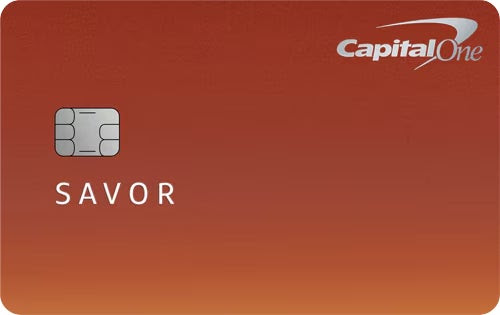
Capital One Savor Cash Rewards Credit Card
Rewards Rate
- 8% cashback on Capital One Entertainment purchases
- 5% on hotels, rental cars, vacation rentals, and activities booked through Capital One Travel
- 3% on dining, entertainment, popular streaming services, and grocery store purchases (excluding superstores like Walmart® and Target®)
- 1% on all other purchases
Welcome Offer
Earn a one-time $200 cash bonus once you spend $500 on purchases within the first 3 months from account opening
Annual Fee
$0
TL;DR: Always Pay in Local Currency
International travel comes with enough stress without worrying about whether you’re being overcharged at every transaction. By always paying in the local currency, you’ll get a better exchange rate on every purchase and withdrawal.
This applies everywhere: at cafés in Paris, shops in Tokyo, hotels in Mexico City, and ATMs anywhere in the world. The prompt might look different, and the local currency will change, but your answer should always be the same: Decline the conversion and pay in the local currency.

Learn With Erika
- Free Travel Secrets Workshop
- Learn how to use the fine print to book your next vacation practically for free with Erika's step-by-step system
- Free 5 Day Investing Challenge
- Learn how to get started as a beginner investor and make your first $10,000
- Free 5 Day Savings Challenge
- Discover how you can save $1,000 without penny pinching or making major life sacrifices
- Join Erika Kullberg Insiders
- Ask investing questions, share successes and participate in monthly challenges and expert workshops


Disclosure: Opinions expressed here are the author's alone, not those of any bank, credit card issuer, hotel, airline, or other entity. This content has not been reviewed, approved or otherwise endorsed by any of the entities included within the post.