When you’re going on vacation, you want to relax and enjoy the sights — not worry about where your passport or phone is.
Fortunately, implementing a few simple yet effective strategies can help you avoid the stress and financial pain of losing your belongings.
This includes how you pack, what you pack in, and using tech to track your bags.
Erika Recommends
- Apple AirTags
Track your luggage location anywhere. - SquareMouth
Compare travel insurance policies and rates. - Chase Sapphire Preferred® Card
Covers up to $3,000 for lost luggage.

1. Choose a Secure Bag
The luggage you choose can make a big difference in keeping your stuff safe.
Consider bags that have zippers and locking mechanisms to prevent theft, as well as features like hidden pockets. That way, even if someone does manage to rummage through your bag, they might not find certain valuables.
2. Use Packing Cubes and Travel Organizers
Packing cubes and other organizers aren’t just for packing efficiently — they also offer safety.
For one, you can keep track of your belongings more easily. For example, you can put your jewelry in one cube so it’s not bouncing around your bag and getting lost somewhere along the way.
Plus, separating items can avoid damage. Putting your toiletries in their own organizer, for example, means a leak doesn’t necessarily ruin everything else in your bag.
3. Color-code and Label Bags
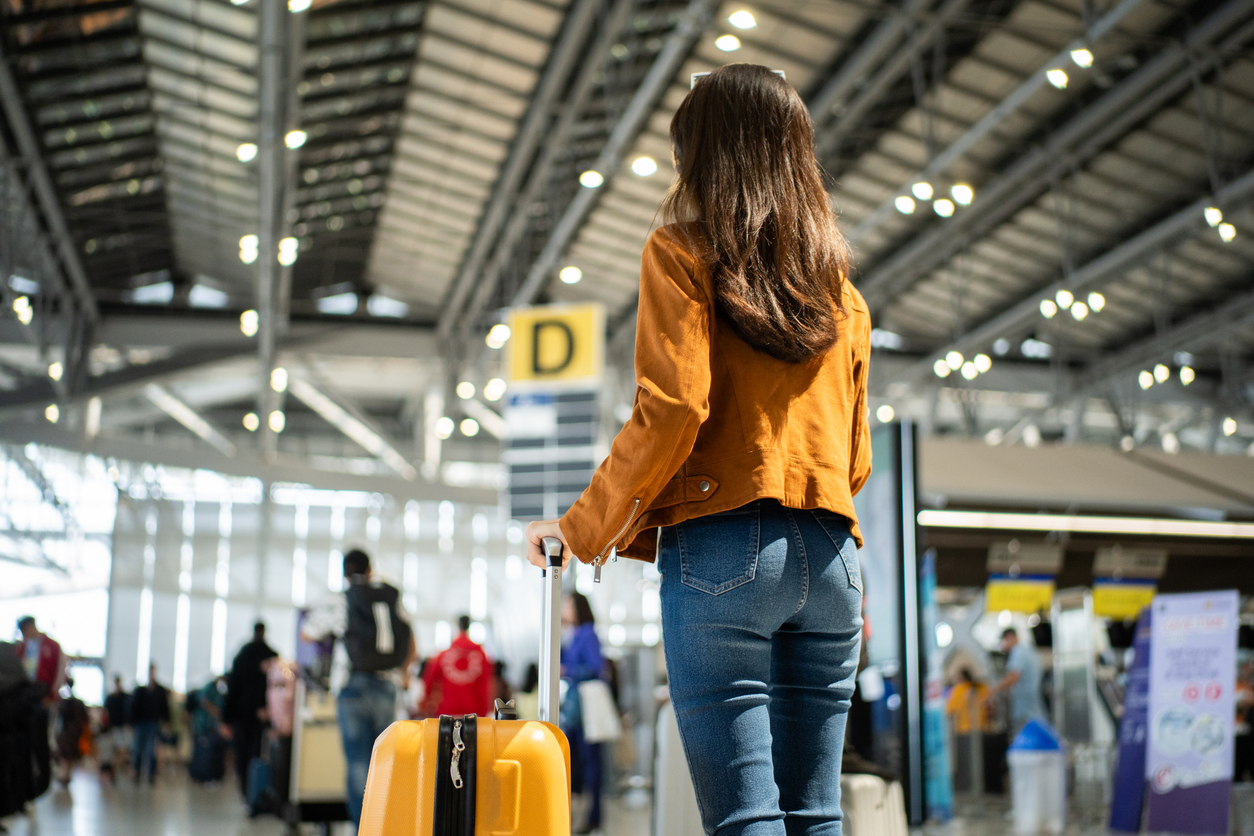
Choosing a bright color for your suitcase rather than black or gray can help prevent someone from taking yours by mistake at the baggage claim. Labels help too, so even if someone has the same bag, they can see it’s not theirs.
But you can also go a step further and consider color-coding things like your packing cubes — maybe green for casual clothes, blue for dressier items, and red for electronics.
That way, you can easily take what you need out of your suitcase instead of digging through all of them, decreasing the chances that something will fall out.
Plus, having different colors for your packing cubes makes it easier to see if something is missing, so you can report it lost or stolen sooner.
4. Separate Items Between Bags
If you’re traveling with friends or family, consider dividing up your stuff so that everyone’s bag has some of someone else’s things.
That way, if one bag doesn’t make it to your destination, that person hasn’t lost everything.
5. Use Waterproof and Shockproof Cases
To prevent electronics and important documents from getting damaged, use waterproof and/or shockproof cases.
For example, a waterproof passport holder can prevent damage if something spills in your bag or you get caught in a rainstorm.
A waterproof and shockproof laptop case can protect your computer from liquids and the bumps your luggage is likely to take along the way.
6. Use GPS or Bluetooth Trackers
GPS or Bluetooth trackers like Apple AirTags and Android Tiles can help you keep track of your items so they don’t get misplaced.
If your bag is stolen, authorities can potentially use the coordinates to locate your missing items. Many airlines also let you upload your tracking info if your bag is delayed or lost.
Some bags have built-in trackers, or you can buy relatively inexpensive trackers that you drop into your bag.
7. Keep Essentials in the Same Spot Every Trip
Always put your essentials in the same spot, such as having a designated pocket for your passport and specific compartments where you always put your jewelry.
Every time you travel, you’ll know exactly where to look for those items.
8. Create a Digital Inventory
Write out an inventory of your valuables, like electronics, passports, tickets, etc., and store them in the cloud.
If you need to make an insurance claim, having photos and a written list of your items can speed up the process.
Also, if you have a digital copy of your passport, you can leave the original in a secure location like a hotel safe, rather than carrying it on you (but keep in mind that local laws vary on this issue).
9. Have a Travel Checklist
A checklist can help you confirm you have all your items with you, especially if you’re moving locations, like changing from one hotel to another on a multi-destination trip.
In addition to ensuring you have specific items accounted for, like your passport, the checklist can include steps like checking that your Bluetooth tracker is working and has enough battery to last your trip.
10. Avoid Common Pickpocket Hotspots
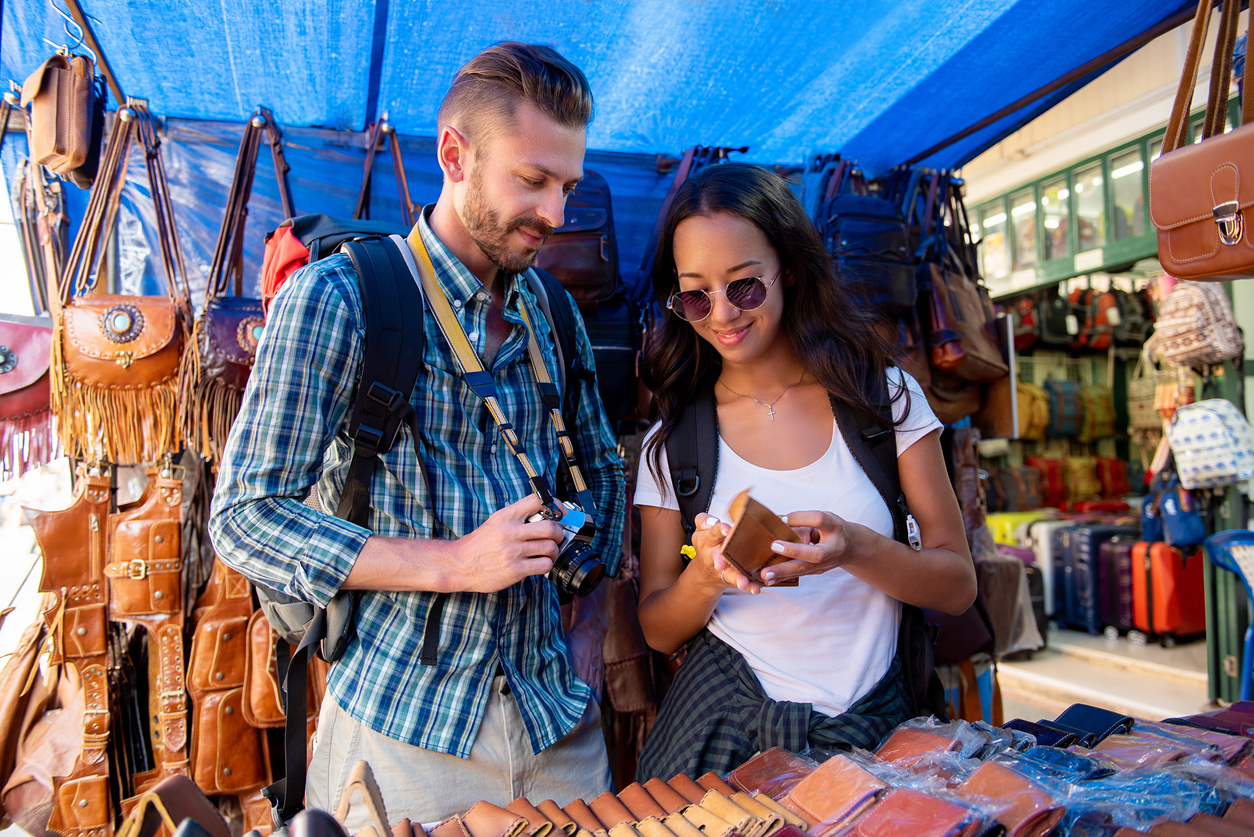
If you know certain areas are common pickpocket hotspots, consider skipping those or at least don’t carry any valuables on you if you do go.
Always be alert, too, especially in crowded areas and popular tourist sites. Stay off your phone so someone is less likely to reach into your bag or pocket without you seeing.
11. Keep Valuables in Secure Locations
Instead, consider storing them in hotel safes or hidden compartments within your luggage.
If you do keep valuables on you, items like money belts can be more secure than a wallet, which can be easily plucked from your pocket.
12. Use Dummy Wallets or Decoy Items
While you might keep your credit cards and cash in a money belt, you could also carry an empty wallet in your pocket. That way, if someone does try to pickpocket you, they take that rather than finding your actual valuables.
You could similarly have a decoy phone in the front compartment of your backpack while your real one is within a hidden compartment.
13. Get Travel Insurance
As an extra safety net, consider buying travel insurance and/or booking your trip on a credit card with strong travel protections for things like lost or damaged luggage.
While you can take steps to protect your belongings, sometimes losses still happen. These protections can limit the financial fallout.
Just be sure to read the fine print of any travel insurance policy or credit card benefits to ensure you know exactly what’s covered, rather than assuming you’re protected.
READ MORE: Does Your Credit Card Cover Lost or Stolen Luggage?
FAQs About Protecting Your Belongings While Traveling
What are the best travel accessories to prevent losing valuables?
GPS or Bluetooth trackers, lockable bags, waterproof and shockproof cases, and packing cubes can all help you to stay organized and avoid potential theft.
What’s the safest way to carry cash and credit cards abroad?
Some general tips for carrying cash and credit cards abroad include using a money belt or keeping these within a hidden compartment of a lockable bag. Consider carrying a dummy wallet to distract pickpocketers.
Are hotel safes actually safe for storing valuables?
Typically, hotel safes are safe for storing valuables, but use your best judgment. A hotel with a strong reputation is likely safe, while an unknown hotel might be less secure. If you’re concerned, consider bringing a portable safe.
TL;DR: Travel Safety Tips for Valuables
When it comes to protecting your stuff, you need to be proactive.
Packing cubes can help you keep organized, GPS or Bluetooth trackers can help you locate lost items, and splitting your items into different bags can minimize the chances of losing everything.
Consider getting travel insurance (or check if your credit card has protections) so you’re protected if things still go missing despite your best efforts.

Learn With Erika
- Free Travel Secrets Workshop
- Learn how to use the fine print to book your next vacation practically for free with Erika's step-by-step system
- Free 5 Day Investing Challenge
- Learn how to get started as a beginner investor and make your first $10,000
- Free 5 Day Savings Challenge
- Discover how you can save $1,000 without penny pinching or making major life sacrifices
- Join Erika Kullberg Insiders
- Ask investing questions, share successes and participate in monthly challenges and expert workshops
. . .


Disclosure: Opinions expressed here are the author's alone, not those of any bank, credit card issuer, hotel, airline, or other entity. This content has not been reviewed, approved or otherwise endorsed by any of the entities included within the post.