Terms apply to American Express benefits and offers. Enrollment may be required for select American Express benefits and offers. Visit americanexpress.com to learn more.
“I want something to eat now” is often the constant refrain from children (young and old) on a family vacation. And paying for three meals a day plus endless snacks and drinks can quickly eat up a chunk of your vacation budget.
Food can devour up to 30% of your travel budget — but it doesn’t have to. There are savvy ways to save money on food costs, stick to your budget, and free up funds for more experiences while keeping everyone well-fed.
Here’s how I’ve kept my family well-fed on road trips, beach vacations, and city breaks for $50 to $100 per day without sacrificing fun (or nutrition).
Erika Recommends
- Capital One Savor Cash Rewards Credit Card
Earn cashback on groceries, even when overseas. - Chase Sapphire Preferred® Card
Earn rewards on dining worldwide, including eligible delivery and takeout. - American Express® Gold Card
Earn 4x rewards on restaurants worldwide, plus other travel perks.

Pre-Trip Prep: Set Your Food Budget
Before traveling, it’s always good to have a budget — how much you’ll spend on accommodation, activities, and meals.
As a guide, Americans spend an average of $33 per day on food when traveling in the U.S., and $35 when they’re overseas.
You might want to calculate your daily allowance for the family. For example, you could get really granular and put aside $15/meal per adult and $10/meal per child, or roughly $100/day for a family of four.
Or you could be a bit looser and plan around your activities, like spending more if you’re planning a day at a theme park or a nice restaurant meal, and then less on travel days.
It’s easy to lose track of spending on a trip, so add your budget and track your pennies in an app like GoodBudget or use Splitwise when vacationing with friends or extended family.
RELATED: How To Create a Family Travel Fund in 6 Steps
Book Accommodations with Kitchenettes (Or Bring Your Own)
With the average price per serving of home-cooked meals being $4.31 compared to forking out at least $20.37 on a meal out, it’s a no-brainer to make your own food at least some of the time while you’re away.
Choose accommodations with kitchen facilities by using filters on Airbnb or Vrbo, or opt for an extended-stay hotel, family-friendly hostel, or a cabin at a campground.
Having kitchen access makes it easy for you to buy fresh food to keep in your fridge, prepare sandwiches to take out for the day, or cook dinner from scratch.
If you are staying in a hotel, look for deals that include free breakfast so you can load up at the buffet. Eat close to the end of service so you can go for a few hours without having to eat when you’re out sightseeing, and grab an apple to take with you.
Some hotels might host evening socials where you can get complimentary soft drinks, beer, wine, and some light snacks.
Pro tip: If you’ve got the room, pack a portable electric kettle or hot plate for quick meals if your accommodation doesn’t come with kitchen facilities.
READ MORE: How To Find Budget-Friendly Family Resorts & Rentals
Grocery Tips: Shop Like a Local
Once you’ve landed in your new location, scope out the local places to shop for groceries and fresh food so you’ve got a few things on hand to feed hungry mouths.
You might want to eat breakfast in your accommodation every morning — think cereals, yogurt, and fruit.
Taking a packed lunch with sandwiches, fruit, and snacks means you’ll be less likely to find yourself overspending on expensive, poor-quality food when you’re out and about.
Use these tips on where to shop, what to buy, and how to save:
- Stock up at local farmers’ markets — you’ll get the best produce and it will last longer (if you can resist eating it right there and then!).
- Use Google Maps to find supermarkets near your hotel (not convenience stores). Grocery shopping in a foreign place can also be fun for discovering the different types of snacks, bread, desserts, fresh foods, and drinks on offer.
- For snacks on the run and picnic lunches, buy fresh fruit, pre-cut veggies, rotisserie chickens, lunch meats, cheese, and ready-made salads.
- Save money by earning cashback with cards like the Capital One Savor Cash Rewards Credit Card, which offers 3% cashback on grocery stores, even overseas. Plus, it doesn’t charge foreign transaction fees.
Capital One Savor Cash Rewards Credit Card

Rewards Rate
- 8% cashback on Capital One Entertainment purchases
- 5% on hotels, rental cars, vacation rentals, and activities booked through Capital One Travel
- 3% on dining, entertainment, popular streaming services, and grocery store purchases (excluding superstores like Walmart® and Target®)
- 1% on all other purchases
Welcome Offer
Earn a one-time $200 cash bonus once you spend $500 on purchases within the first 3 months from account opening
Annual Fee
$0
When Dining Out Makes Sense
Staying clear of tourist traps is a surefire way to save money. While you’ll want to enjoy eating out with your family to savor the local delicacies and atmosphere, avoiding touristy areas will save you money and result in better food.
For more affordable and authentic meals, eat where the locals do. Find the best pizza bar in the area, or where to fill up on the local delicacies, which will be in season and therefore more affordable. Scour social media sites like Reddit and Instagram to get the lowdown on where to go.
When you do take the family out for a special meal, consider these money-saving ideas:
- Make lunch your main meal out for the day — many restaurants offer identical menus at lower prices for lunch as the portions are usually smaller.
- Look for kids-eat-free deals at local chains or family restaurants (e.g., Denny’s on Tuesdays, IHOP weekends).
- Earn rewards with cards like the Chase Sapphire Preferred® Card or the American Express® Gold Card, both of which earn rewards on dining worldwide. You can then put those rewards towards future travel.
- Earn miles or points when you pay for a restaurant meal with apps like Rewards Network.
Chase Sapphire Preferred® Card

Rewards Rate
- 5x on travel purchased through Chase Travel℠
- 3x on dining, vacation homes at top brands, gas & EV charging, top streaming services, and online groceries (excluding Walmart, Target, and wholesale clubs)
- 2x on all other travel purchases
- 1x on all other purchases
Welcome Offer
Earn 75,000 bonus points after you spend $5,000 on purchases in the first 3 months from account opening.
Annual Fee
$95
American Express® Gold Card
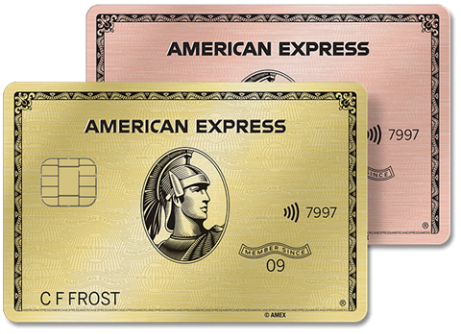
Rewards Rate
- 5x Membership Rewards® points on prepaid hotel stays booked through AmexTravel.com or the Amex Travel App™
- 4x Membership Rewards® points per dollar spent on purchases at restaurants worldwide, on up to $50,000 in purchases per calendar year, then 1x points for the rest of the year
- 4x Membership Rewards® points per dollar spent at U.S. supermarkets, on up to $25,000 in purchases per calendar year, then 1x points for the rest of the year
- 3x Membership Rewards® points on flights booked through AmexTravel.com, the Amex Travel App™, or purchased directly from airlines
- 2x Membership Rewards® points on prepaid car rentals booked through AmexTravel.com or the Amex Travel App™ and cruises booked and paid through AmexTravel.com
- 1x Membership Rewards® point per dollar spent on all other eligible purchases
Welcome Offer
Apply and find out your welcome offer. You may be eligible for as high as 100,000 Membership Rewards® Points after you spend $8,000 in eligible purchases on your new Card in your first 6 months of Card Membership. Welcome offers vary and you may not be eligible for an offer.
Annual Fee
$325 (rates and fees)
Avoid Airport and Attraction Snack Markups
Kids need snacks — constantly. They’re good to stave off a meltdown or tantrum and keep the energy up on long days sightseeing or traveling.
But you don’t want to spend a small fortune filling up your offspring at the airport or tourist attractions where the markup is high.
Instead, pack your own to save money and guarantee you’ll have something on hand that your kid will actually eat. Make sure you:
- Choose snacks that are nutrient-dense and will keep you full, like nuts, trail mix, granola bars, cheese, and crackers. Pack in refillable containers.
- If you’re traveling over a few days or the weather is warm, opt for non-perishable items that can stay in your bag until you need them.
- Stock up on fresh fruit, cut-up vegetable sticks, and yogurt pouches for when you’re just heading out for a few hours and know the kids will need some sustenance.
- Carry refillable water bottles (take empty to the airport) so you’re not having to constantly buy drinks on the road.
READ MORE: How To Save Money at the Airport
FAQs About Saving on Food Expenses
What’s the cheapest way to feed a family on the road?
Pre-planning, budgeting, and taking your own food make traveling much cheaper.
Avoid buying treats at the gas station and instead create snack packs for your kids and take sandwiches and fruit for lunch. Bake some cookies ahead of time, and you could even freeze a meal to take with you to have on the first night.
If you do need to stop for food, look ahead to where you’re going and scope out locations that offer choices to suit your family and budget needs.
Is grocery delivery worth it on vacation?
Yes, if you’re heading away for a week or more to stay at a rental house, then pre-ordering a grocery delivery can be a convenient and stress-free way to stock the fridge and pantry.
By meal prepping and planning your ingredients, you’ll cut down on discretionary spending when you get to your vacation. Look up grocery stores in the area to see who delivers and if they fit in with your budget.
How much should I budget per day for family meals while traveling?
Knowing how much to leave aside for food will depend on your budget and which country you’re in. Some days might look more generous than others.
Factor your travel plans into your family’s budget and aim to cap it at $100 for food, accounting for any special meals out or emergency snacks.
TL;DR: Cut Food Costs When Traveling
Family trips can be expensive, and meals will likely be a big chunk of your family’s travel budget.
But you can cut food costs by setting a budget, cooking at your accommodation, shopping at local grocery stores, and making the most of restaurant meals. Take advantage of rewards programs or use a credit card that earns you cashback or miles.
And always pack extra snacks!

Learn With Erika
- Free Travel Secrets Workshop
- Learn how to use the fine print to book your next vacation practically for free with Erika's step-by-step system
- Free 5 Day Investing Challenge
- Learn how to get started as a beginner investor and make your first $10,000
- Free 5 Day Savings Challenge
- Discover how you can save $1,000 without penny pinching or making major life sacrifices
- Join Erika Kullberg Insiders
- Ask investing questions, share successes and participate in monthly challenges and expert workshops


Disclosure: Opinions expressed here are the author's alone, not those of any bank, credit card issuer, hotel, airline, or other entity. This content has not been reviewed, approved or otherwise endorsed by any of the entities included within the post.