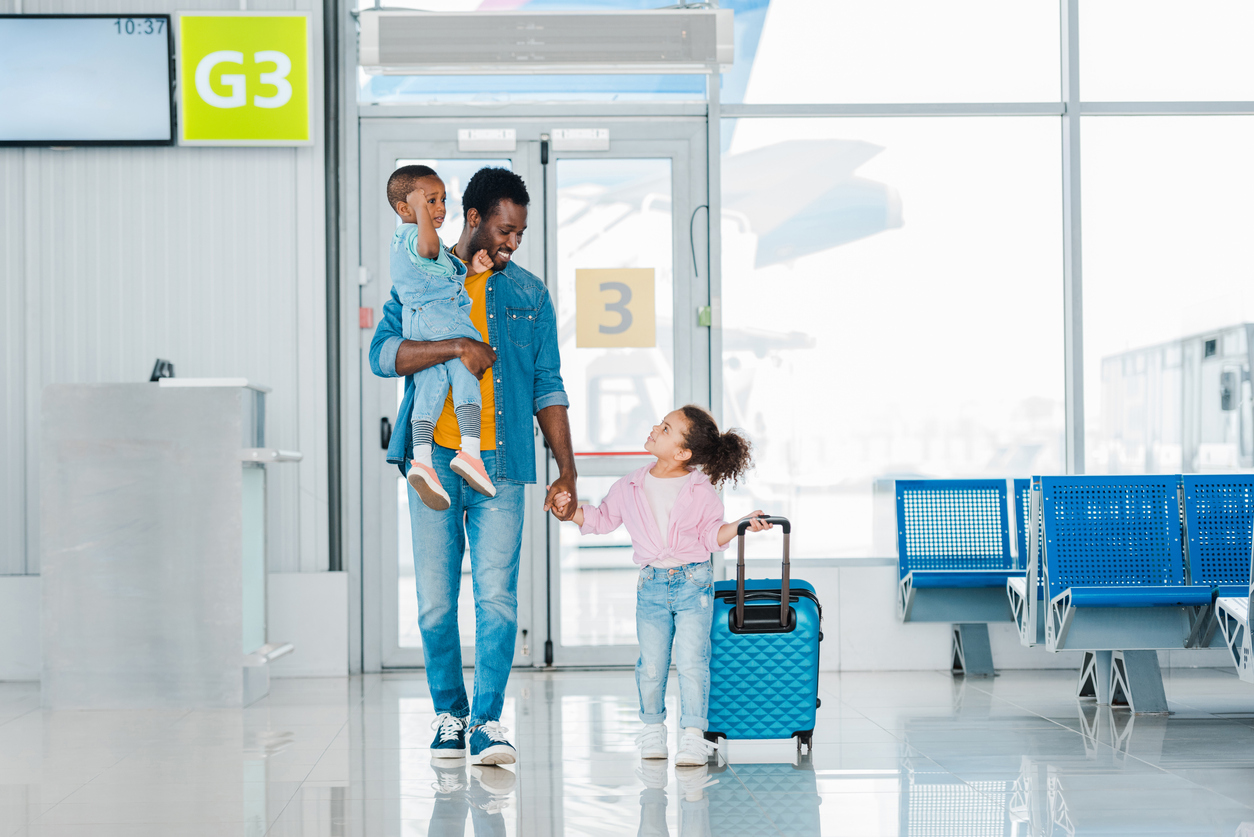
Just because you have kids doesn’t mean your international travel days are over — the world is still wide open!
While not every destination is kid-friendly, some places are sure to stand out due to better accessibility, affordability, and family-focused activities.
Every family, of course, is unique, but here are the top international spots that make traveling with kids easier, plus smart tips to help your trip go smoothly.
Japan
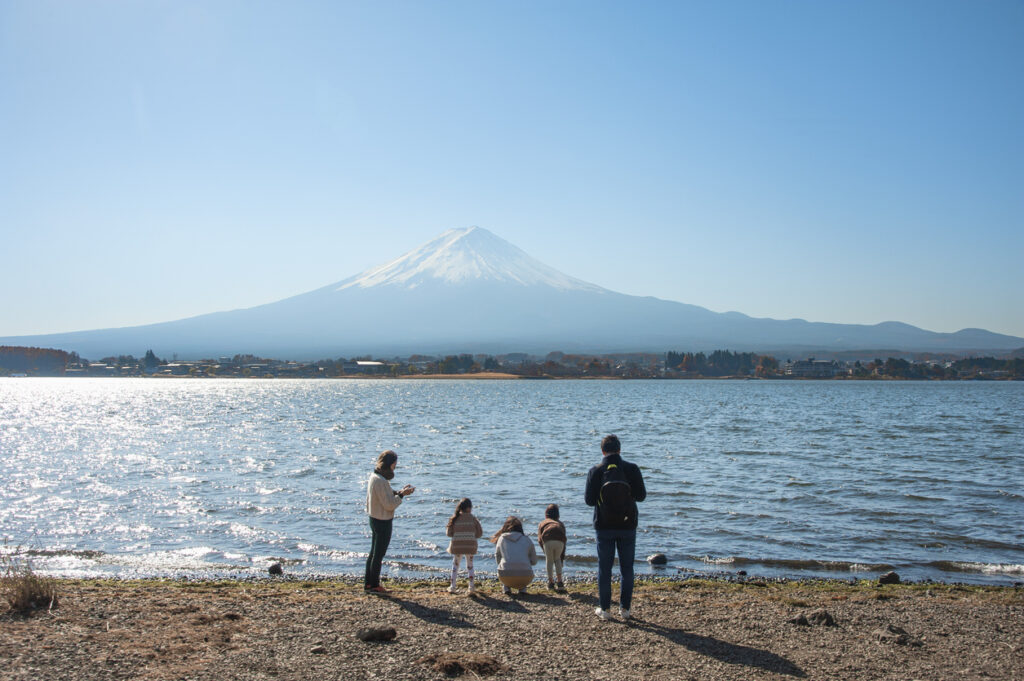
Choosing family-friendly destinations can be challenging, but Japan is a great option and the first pick.
Why it’s great for families
Japan is a standout destination for families thanks to its combination of safety, cleanliness, and an incredible mix of modern and traditional attractions.
From interactive museums and kid-friendly theme parks like Tokyo Disneyland to cultural experiences such as temples, tea ceremonies, and seasonal festivals, there’s something for everyone.
Plus, Japan’s efficient transportation system and warm hospitality make it easy and enjoyable to explore with children in tow.
There are many places to visit, from major cities to countryside towns, but the top cities to consider are Osaka, Tokyo, Nagoya, and Kyoto.
Best time to visit
Japan experiences all four seasons, but many feel the best time to visit is during spring (March through May) and fall (September to November).
Spring offers breathtaking cherry blossoms, mild temperatures, and clear skies, while fall features beautiful fall foliage, crisp air, and fewer crowds.
Budget breakdown
Hotels/accommodations
Accommodation costs vary by location, season, and type. Big cities like Tokyo are generally the most expensive, but options exist for all budgets.
Budget hotels range from $50–$80 per night, while mid-range hotels cost $100–$250. For a traditional Japanese experience, ryokans typically cost $150–$300 per night.
Suites for larger families range from $100 to over $700, depending on the luxury level.
Food and activities
Japan offers delicious food at every price point.
For budget meals (convenience stores, ramen shops, etc.), expect to spend $3–$10 per person, while mid-range meals range from $10–$30.
Fine dining starts at $35 and can exceed $140.
Activities include free or low-cost temples and parks ($0–$6), museums ($5–$15), and theme parks ($60–$80/day).
Tokyo Disneyland is a fun activity, and it costs $60–$100 per ticket, depending on the season.
Money-saving tips
Book business hotels or hostels and eat at convenience stores and department food courts.
For city-to-city travel, get a JR Pass. This ticket is multi-use and allows for unlimited travel on most Japan Rail trains. Riding the bullet train alone is bound to entertain your kiddos!
You can also use IC cards (like Suica/Pasmo). These are rechargeable cards that can pay fares on public transport.
The Caribbean Islands
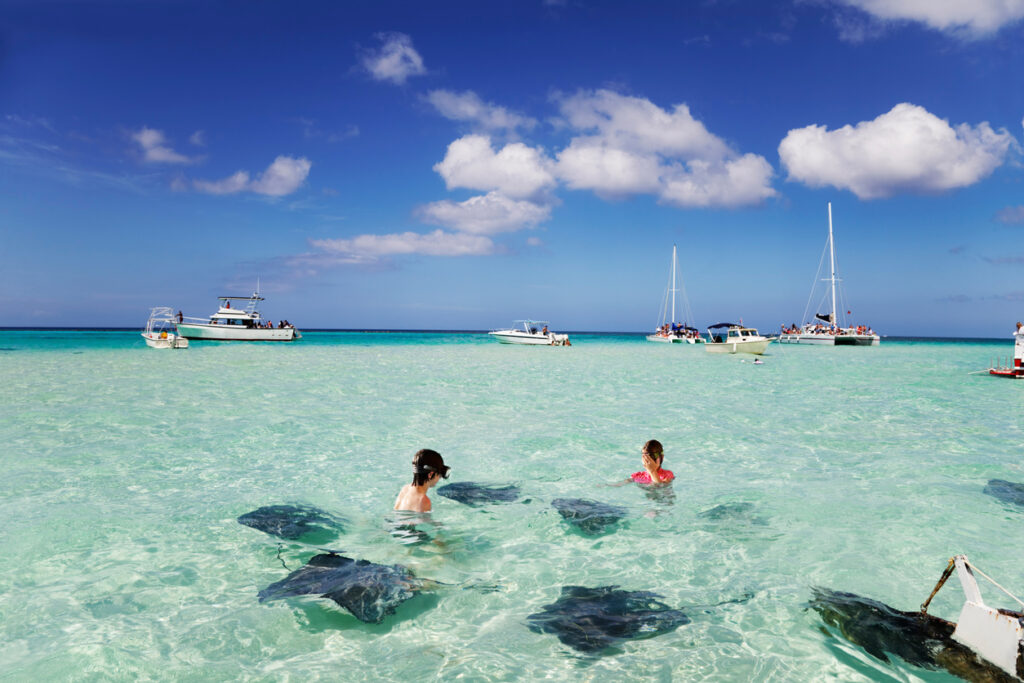
The location and convenience of the Caribbean make it a standout destination, especially to those on the East Coast.
But not all Caribbean islands are created equal. Some of the best for families include Turks and Caicos, Grand Cayman, Aruba, St. Thomas (U.S. Virgin Islands), Bahamas, and Puerto Rico (no passport needed!).
Why it’s great for families
The Caribbean islands are family-friendly thanks to their warm, welcoming atmosphere and kid-friendly resorts with plenty of amenities (like pools and kids’ clubs). You can enjoy a range of activities from calm beaches to snorkeling and wildlife encounters.
Many islands offer direct flights, making them convenient for family travel, and feature all-inclusive resorts, too.
Best time to visit
The best time to visit the Caribbean is from December to April, during the dry season. But this is also peak season, so prices may be higher.
For fewer crowds and lower prices, consider visiting in May or November, just before or after hurricane season (June to November), when the weather is still pleasant but there’s less tourist traffic.
Budget breakdown
Hotels/accommodations:
Hotels in the Caribbean vary widely depending on your preferred luxury level and the island.
In general, budget hotels typically cost under $100 per night, while mid-range resorts can be $200–$400 per night.
All-inclusive resorts often start around $300 per night per person (with discounted rates for kids) and include meals and some activities, making them a convenient option for families.
Food and activities
Local restaurants offer meals in the range of about $10–$20 per person, while dining at resort restaurants can cost $30–$60 per meal. (If you’re at an all-inclusive, your food costs are already covered in the price.)
Many beaches are free to enjoy, but activities like snorkeling, boat tours, and other excursions typically cost between $40 and $150 for the day.
Money-saving tips
To save money, visit during the shoulder seasons (May–June or September–October) when prices are lower.
Booking flights and hotels early or choosing package deals can also cut costs.
Eat at local spots instead of resort restaurants, and stay at family-friendly resorts with free kids’ activities to help stretch your budget. Also, use public transport or walk when possible.
The United Kingdom

There is so much to see and do in the United Kingdom. The countries that make up the kingdom (England, Scotland, Wales, and Northern Ireland) are all great choices.
Why it’s great for families
The UK has a mix of history, culture, and kid-friendly attractions. Families can explore castles, museums, and countryside adventures.
It’s an added perk that English is the primary language spoken, so getting around is convenient for most travelers from the U.S.
Best time to visit
The best time to visit the UK is from late spring to early autumn (May to September), when the weather is mild and daylight lasts longer.
June and July offer the warmest weather and lots of festivals, while May and September are great for fewer crowds and lower prices.
Budget breakdown
Hotels/accommodations:
Hotel prices vary by city and season. Budget hotels or family-friendly chains typically range from $100–$180 per night.
Mid-range hotels in cities like London can cost $200–$300 per night, while countryside inns may be more affordable.
Food and activities:
Eating out ranges from $10–$20 per person at casual spots to $30–$60 at sit-down restaurants.
Many top attractions, like museums and parks, are free. Tours, castles, and family-friendly experiences such as the London Eye or Harry Potter Studios can range from $20–$50 per person.
Money-saving tips
Book accommodations early, especially in major cities. Use public transport and consider a rail or Oyster card for savings.
Eat at local pubs or grocery stores for cheaper meals.
Take advantage of free attractions and look for family passes or bundled ticket deals for popular sites.
Cancún, Mexico
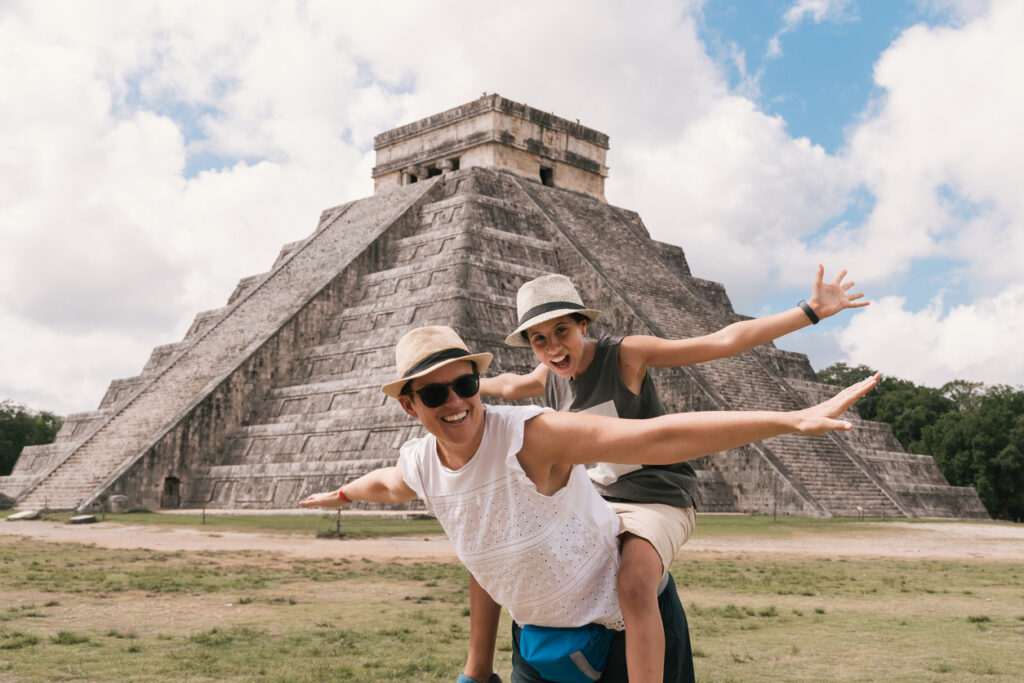
The crystal blue waters of Cancún are a short flight away from many areas in the U.S. And short flights = family friendly.
Why it’s great for families
Cancún’s all-inclusive resorts make it a standout family destination. These resorts offer family suites, kids’ clubs, and on-site entertainment, making travel with little ones stress-free.
Families can explore ancient Mayan ruins, enjoy water parks, or take a day trip to Isla Mujeres.
With warm weather year-round and convenient flight access, it’s both fun and easy to visit.
Best time to visit
The best time to visit Cancún is from December to April, when the weather is warm, dry, and ideal for beach activities.
But this is also peak season, so expect more crowds and higher prices. Visit in late April or early May for fewer tourists and better deals.
Budget breakdown
Hotels/accommodations
Budget hotels in Cancún typically range from $70–$150 per night, while mid-range beachfront resorts cost $150–$300.
All-inclusive resorts start around $250 per night and include meals, drinks, and activities, which can offer great value for families.
Food and activities
Local restaurants and taco stands offer meals for $5–$15 per person, while sit-down restaurants and resort dining range from $20–$50.
Activities like snorkeling, cenote tours, and visiting nearby ruins can cost $30–$100 per person, while beaches are mostly free to access.
Money-saving tips
Visit during the shoulder seasons (May–June or September–November) for lower rates and fewer crowds.
Book flights and hotels in advance or use package deals.
Eat at local spots for authentic, budget-friendly meals, and consider public transport or shared shuttles instead of taxis.
Canada

Just across the northern border is the beautiful nation of Canada. There is a lot to offer in Canada, and it may not even feel too foreign or international to many U.S. travelers.
Top family-friendly spots include the Niagara Falls region in Ontario and Vancouver, BC.
Why it’s great for families
Canada offers family-friendly fun with easy access, clean cities, and English-speaking convenience.
Niagara Falls wows kids with boat tours, interactive museums, and scenic views, while Vancouver blends nature and city with beaches, parks, aquariums, and mountain day trips.
Best time to visit
Honestly, any time is a great time to visit Canada, but between June and September allows for warm weather, open attractions, and summer festivals.
Though spring and early fall offer lower prices and fewer crowds.
Budget breakdown
Hotels/accommodations:
Budget hotels or motels range from $100–$150 per night. Mid-range hotels run $150–$250, while family suites or downtown locations may cost more.
Food and activities:
Meals range from $10–$20 per person at casual spots to $30+ at sit-down restaurants.
Many outdoor attractions, like Stanley Park or the Niagara Parkway, are free. Expect $25–$60 for museums, aquariums, or boat tours.
Money-saving tips
Book hotels early, especially in summer. Use public transit or city passes for discounts. Pack snacks or eat at food courts.
Bundle activities (like the Niagara Adventure Pass) to save on entry fees.
Tips for Traveling Internationally with Kids
Here are a few general tips for making sure your family vacation goes off without a hitch
- Passports & visas: Ensure all kids have valid passports (for at least six months) and check visa requirements early.
- Stay healthy/vaccinations: Stay healthy! Research the required vaccinations for your destination and visit a travel clinic if needed. Use bottled water if necessary, apply sunscreen, and prioritize hand hygiene.
- Budget smart: Plan for flights, lodging, meals, and activities — build in extra funds for surprises.
- Flight booking: Look for family-friendly airlines and check baggage policies (especially for baby gear).
- Pack wisely: Include snacks, comfort items, first-aid kits, and lightweight clothing layers.
- Manage jet lag: Gradually adjust sleep schedules before travel; get kids outside in daylight at your destination.
- Family-friendly lodging: Choose hotels or rentals with amenities like kitchenettes, cribs, and laundry.
- Money matters: Carry some local currency, alert your bank about travel, and use travel-friendly cards with minimal fees.
- Activities: Mix free/low-cost sights with one or two splurges; book popular attractions in advance when possible.
- Use credit card rewards: You can save big and earn free flights, hotels, and other perks if you use the right credit card.
FAQs
Do infants and toddlers need passports?
Yes, infants and toddlers need their own passports to travel internationally, even if they’re traveling with a parent or guardian.
In the U.S., a child’s passport is valid for five years and requires the consent of both parents (or legal guardians).
Are there special airline policies for infants and young children?
Good news for parents: Most airlines have special policies for infants and young children.
Typically, infants under two years old can fly on a parent’s lap for free or at a reduced fare on domestic flights and don’t need their own ticket. But international flights may charge a percentage of the adult fare plus taxes.
Some airlines also offer bassinets, early or family boarding, and child-friendly amenities.
What’s the best way to handle jet lag with young children?
The best way to handle jet lag with kiddos is to gradually adjust their sleep schedule before departure, keep them hydrated and fed during the flight, and spend plenty of time outside in daylight once you arrive.
Maintaining a familiar bedtime routine can also help them adjust more smoothly once you arrive to your destination.
TL;DR: How To Travel Internationally With Kids
International family travel doesn’t have to be overwhelming or break the bank. By choosing destinations that prioritize safety, convenience, and family-friendly amenities, you’ll have a (mostly!) stress-free trip.
The key is to plan ahead, research your destination’s requirements, and build flexibility into your budget and itinerary.
Remember, the goal isn’t a perfect trip but creating lasting memories with your children while showing them the incredible diversity our world has to offer.

Learn With Erika
- Free Travel Secrets Workshop
- Learn how to use the fine print to book your next vacation practically for free with Erika's step-by-step system
- Free 5 Day Investing Challenge
- Learn how to get started as a beginner investor and make your first $10,000
- Free 5 Day Savings Challenge
- Discover how you can save $1,000 without penny pinching or making major life sacrifices
- Join Erika Kullberg Insiders
- Ask investing questions, share successes and participate in monthly challenges and expert workshops